

Our anesthesia provider has over 20 years of experience in cosmetic surgery anesthesia, and we maintain the most up-to-date, state-of-the-art anesthesia delivery and monitoring systems to provide the safest and most comfortable experience during and after surgery.
Dedicated Anesthesia Partner
We recognize that many patients have anxiety and concerns about the anesthesia associated with their surgery. We maintain the highest standard of care and best practices for cosmetic surgery. Prior to surgery, both Dr. Cooper and our anesthesia provider will evaluate each patient’s past medical, surgical, and anesthesia history. They will consider your surgical procedures, length of surgery, medical history, and allergies to establish the most appropriate anesthesia plan for each patient.
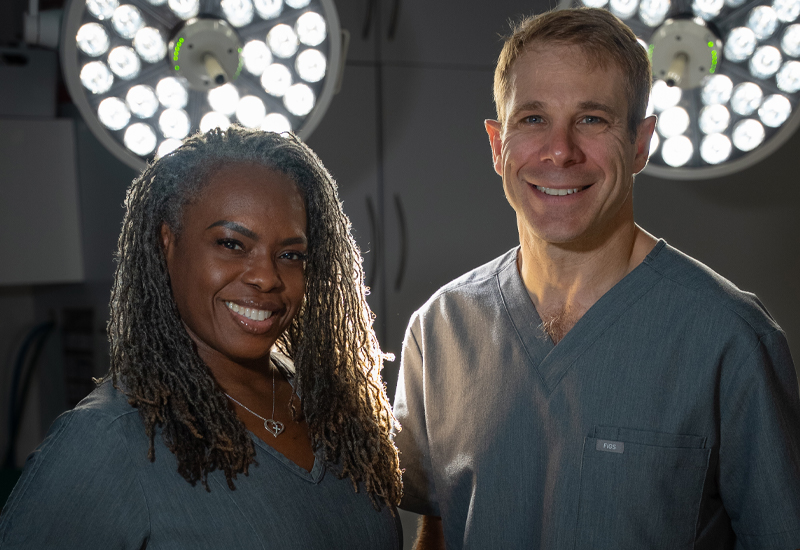
Our anesthesia provider has over 20 years of experience in cosmetic surgery anesthesia and works with Dr. Cooper and his team two to three days a week, providing anesthesia for all of Dr. Cooper’s cosmetic surgery patients. Dr. Cooper has found that having a consistent anesthesia provider, as well as a consistent surgical team, results in smoother, safer, and more successful surgery.
Dr. Cooper and our anesthesia provider believe in narcotic-sparing anesthesia when possible, helping patients wake up refreshed, without postoperative nausea or a “hungover” feeling. Our one-on-one nursing care ensures that patients are monitored during postoperative recovery and wake up safely, with as little discomfort as possible.
Highest Levels of Monitoring During Surgery
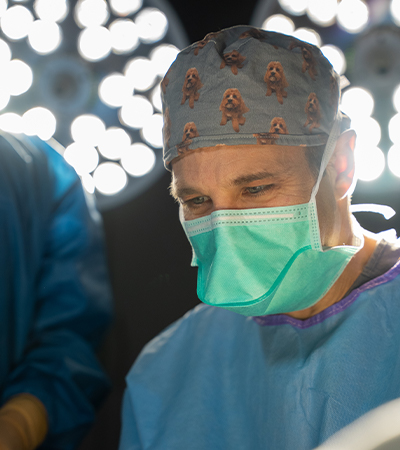
We have state-of-the-art monitoring systems to track patients’ vital signs, comfort, and awareness during surgery. We use a BIS VISTA monitoring system, which is designed to measure patient awareness during surgery and regulate the delivery of anesthesia to ensure each patient is both comfortable and fully unaware during the procedure.
Jason Cooper, MD
Board-Certified Plastic Surgeon
Trust your results to Dr. Jason Cooper, a board-certified plastic surgeon with nearly 20 years of experience and a top 1% facelift and neck lift practice in the U.S. Known for his natural aesthetic and meticulous approach, he delivers safe, personalized results using the latest advanced techniques.







Up to Date and Sophisticated Anesthesia Delivery
Our anesthesia machine and delivery systems are highly advanced and up to date. The same models and equipment are used in hospitals and ambulatory surgery centers.
Individualized Anesthesia Plan
Dr. Cooper and our anesthesia provider evaluate each patient’s medical, surgical, and anesthesia history prior to surgery. The surgical procedures, length of surgery, medical history, and allergies are all considered to establish the most appropriate anesthesia plan for each patient.
Post-Operative Comfort
We use narcotic-sparing techniques whenever possible so that patients wake up feeling refreshed, without postoperative nausea or a “hangover” feeling. Each patient is monitored during postoperative recovery with one-on-one nursing care to ensure they wake up safely with as little discomfort as possible.