

Dr. Jason Cooper FAQs
Choosing plastic surgery or non-surgical rejuvenation is personal, and it helps to have one place where the most common questions are answered clearly. Dr. Jason Cooper is a board-certified plastic surgeon with Harvard plastic surgery training, and Jason Cooper MD has offices in Jupiter and Palm Beach, Florida.
If you don’t find the answer you’re looking for, call (561) 406-6574 or send us a message.
Jason Cooper MD FAQs
Where is Jason Cooper MD located?
Dr. Cooper has offices in Jupiter and Palm Beach, Florida. His Jupiter office is located at 3535 Military Trail, Suite 204, and his Palm Beach office is located at 220 Sunrise Ave, Suite 101.
Who is Dr. Jason Cooper?
Dr. Cooper is an American Board of Plastic Surgery board-certified plastic surgeon. His background includes training in the combined Harvard plastic surgery residency program with a strong focus on facial and breast plastic surgery.
What procedures does Dr. Cooper specialize in?
Dr. Cooper specializes in face and breast plastic surgery, along with non-surgical facial rejuvenation. These include facelift, preservation facelift, eyelid surgery, breast augmentation, breast lift with implants, breast lift without implants, breast revision, dermal fillers, laser skin resurfacing, and skincare.
Do you accept insurance?
Most of the procedures here are cosmetic, so patients should generally expect them to be self-pay. Consultation is the best time to review your treatment plan, goals, and related costs.
How do I schedule a consultation with Dr. Cooper?
You can schedule a consultation online or by phone at (561) 406-6574.
Do you offer virtual consultations?
Yes. Virtual consultation is available.
What financing options are available?
Financing and payment planning are best reviewed during consultation. That conversation is usually easiest when discussed alongside the recommended procedure and recovery timeline.
What areas do you serve?
Dr. Cooper serves patients in Jupiter, Palm Beach, West Palm Beach, Delray Beach, and broader South Florida. Patients also travel from out of town for treatment.
What should I expect during my first consultation?
Your first consultation should include a discussion of your goals, anatomy, recovery expectations, and the type of treatment that best fits your concerns. It is also the time to decide whether surgery, a non-surgical option, or a combined plan makes the most sense.
What makes Jason Cooper MD different?
Dr. Cooper emphasizes highly selective patient qualification, individualized surgical planning, limited daily case volume, and a strong focus on face and breast surgery. Dr. Cooper also operates out of a private AAAASF-certified surgical center in Jupiter.
Facelift FAQs
How do I know when a facelift makes more sense than non-surgical treatment?
A facelift usually makes more sense when the main concern is sagging, jowling, heaviness, or loss of jawline definition rather than surface-level wrinkles alone. When the issue is structural facial descent, surgery is often the more direct way to create a meaningful change.
What concerns can a facelift improve?
A facelift can improve the lower face, deeper folds, jowling, and facial heaviness. Many patients choose it because they want a result that looks fresher and more rested without relying only on temporary treatments.
Will a facelift make me look pulled or unnatural?
A well-planned facelift should not look pulled or overdone. Most patients want a natural result that looks refreshed and more youthful without looking like a different person.
How long do facelift results usually last?
Facelift results can last for years, although natural aging continues over time. Patients often choose surgery because it offers a stronger and longer reset than non-surgical maintenance alone.
Can a facelift be combined with other facial procedures?
Yes. Facelift surgery is often combined with neck lift, eyelid surgery, or other facial rejuvenation procedures when more than one area is contributing to the overall aging pattern.
Am I too young for a facelift?
There is no exact age when facelift surgery becomes right. The better question is whether your facial aging has reached the point where surgery fits your concerns better than non-surgical treatment does.
Am I too old for a facelift?
Not necessarily. Good candidacy depends more on health, healing ability, and the kind of improvement you want than on age alone.
What is recovery like after a facelift?
Recovery usually includes swelling, bruising, and a visible healing period before patients feel comfortable returning to work or social events. Most patients do better when they give themselves more time than they think they will need.
How can I prepare for facelift surgery and recovery?
A smoother recovery usually starts with effective planning before surgery. Helpful steps include:
- Thinking clearly about which facial changes bother you most
- Planning enough time away from work and events
- Setting up help for the first part of recovery if needed
- Following medication and smoking instructions carefully
- Understanding that the final result settles in stages
Patients usually feel more confident when the goals are specific from the beginning. Good preparation makes the healing period much easier to manage.
Preservation Facelift FAQs
What is a preservation facelift?
A preservation facelift is an advanced facelift technique designed to preserve and redistribute natural facial anatomy rather than relying mainly on surface tightening. It is often chosen by patients who want facial rejuvenation that looks natural and balanced.
How is a preservation facelift different from a traditional facelift?
A preservation facelift emphasizes preserving deeper structures, minimizing skin tension, and supporting the underlying tissues. That difference is a big reason that patients often associate it with a softer, less overworked result.
Who may be a strong candidate for preservation facelift?
Patients who want meaningful facial rejuvenation with a natural look and less tension-based correction may be strong candidates. It is often a good fit for people who care as much about how the result ages as it looks early on.
Does a preservation facelift still create noticeable improvement?
Yes. Natural does not mean too subtle to matter. The goal is to create visible improvement while still keeping the face believable and harmonious.
Can a preservation facelift reduce bruising and swelling?
This technique is designed with the goal of minimizing tissue trauma and supporting recovery with less bruising. Patients still need real downtime, but recovery is part of what makes this option appealing.
Will a preservation facelift look better long term?
Long-term satisfaction depends on technique, anatomy, and how the face continues to age, but preservation methods are often chosen because patients want longevity without a harsh or overcorrected look.
Is a preservation facelift more subtle than a standard facelift?
It is often described that way because the goal is to preserve harmony and avoid an obvious surgical look. That does not mean the change is minimal. It means the improvement is meant to feel natural.
Can a preservation facelift be combined with eyelid surgery or other procedures?
Yes. It can be part of a more complete facial rejuvenation plan when the eyes, neck, or skin quality are also important parts of the concern.
How can I prepare if I’m considering a preservation facelift?
Preparation is usually easiest when you know why this approach appeals to you. Helpful steps include:
- Deciding whether natural-looking change is a top priority
- Thinking about whether less tension on the skin matters to you
- Planning enough downtime for healing
- Asking how this differs from other facelift techniques in your case
- Staying realistic about gradual healing and final settling
Patients usually make better decisions when they choose a preservation facelift for a clear reason. The more specific your priorities are, the easier the consultation becomes.
Eyelid Surgery FAQs
What concerns lead patients to consider eyelid surgery?
Patients often consider eyelid surgery when the eyes look tired, heavy, puffy, or older than the rest of the face. Common concerns include sagging upper lids, under-eye circles, puffiness, and wrinkles around the eyes.
Can eyelid surgery make me look more awake?
Yes. That is one of the most common reasons patients choose blepharoplasty. A focused change around the eyes can make the whole face look brighter and more refreshed.
What is the difference between upper and lower eyelid surgery?
Upper eyelid surgery usually addresses heaviness and extra skin, while lower eyelid surgery is more often focused on puffiness, bags, or loose tissue beneath the eyes. Some patients need one area treated and some need both.
Is eyelid surgery only for older patients?
No. Some younger patients are bothered by inherited puffiness or heaviness around the eyes even before age-related changes become more obvious.
Can eyelid surgery improve vision in some patients?
Yes, in selected upper-lid cases. When heavy upper-lid skin hangs low enough, surgery can improve both appearance and the visual field.
Will I still look like myself after eyelid surgery?
That should be the goal. Most patients do not want a dramatic eye change. They want to look less tired while keeping their natural eye shape and facial character.
Can eyelid surgery be combined with other facial procedures?
Yes. Eyelid surgery is often combined with a facelift or other facial procedures when the eyes are only one part of the concern.
What is recovery like after eyelid surgery?
Recovery usually includes swelling, bruising, and temporary tightness around the eyes. Because the eye area is so visible, patients should give themselves enough time before important social plans or photos.
How can I prepare for eyelid surgery?
A little planning makes recovery much easier. Helpful steps include:
- Clearing your schedule for early healing
- Having cold compresses and recovery supplies ready
- Planning around social events and photos
- Avoiding strenuous activity during the early phase
- Asking whether brow position also affects your concern
Patients usually get the best results when their eyes are evaluated as part of the full upper face. Good preparation also makes the first week easier to handle.
Breast Augmentation FAQs
Who is a good candidate for breast augmentation?
A good candidate is usually someone in good health who wants to increase breast size, improve proportion, or restore fullness. Patients may choose augmentation for either a dramatic change or a subtle enhancement that better fits their lifestyle and body.
Can breast augmentation be subtle?
Yes. Breast augmentation can be tailored to create either a more noticeable result or a subtle improvement, depending on what best complements your body and aesthetic goals.
How do I know what implant size is right for me?
The best implant size should fit your anatomy, tissue support, and long-term goals rather than only matching a cup-size idea. Patients are usually happiest when the plan centers on proportion and balance.
Will breast augmentation automatically create cleavage?
Not always. Cleavage depends on your natural anatomy, breast spacing, implant choice, and how your tissues settle after surgery.
Can breast augmentation help after pregnancy or weight loss?
Yes. Many patients seek augmentation after pregnancy or weight loss because the breasts have lost fullness and shape. Implants can restore volume when the tissues do not necessarily need a lift.
How long do implants last?
Breast implants are long-lasting but not lifetime devices. Patients should expect long-term monitoring and the possibility of future exchange, revision, or removal over time.
Can breast augmentation be combined with a lift?
Yes. When patients want both added fullness and improved breast position, combining augmentation and lift may create a more complete result than either procedure alone.
What is recovery like after breast augmentation?
Recovery usually includes swelling, tightness, soreness, and temporary changes in how the breasts sit and feel. Most patients need to avoid strenuous upper-body activity while healing progresses.
How can I prepare for breast augmentation surgery?
Preparation can make recovery much smoother. Helpful steps include:
- Deciding whether your goal is a subtle or more noticeable enhancement
- Thinking about how the result should fit your body and lifestyle
- Setting up a comfortable recovery space before surgery day
- Planning enough time away from strenuous activity
- Following all pre-op instructions closely
Patients usually feel more confident when they prepare for both the aesthetic result and the recovery period. Good planning makes the first week much easier.
Breast Lift with Implants FAQs
Who is a good candidate for a breast lift with implants?
This combination is often a strong fit for women dealing with sagging breasts plus loss of volume and firmness. It is especially useful when the breasts need both better position and more fullness.
Why would I need both a lift and implants?
A lift improves position and shape, while implants restore or add volume. When the breasts look lower and emptier at the same time, combining the two can address both concerns more effectively.
Can this procedure still look natural?
Yes. A natural result usually comes from choosing implant size and lift technique based on your anatomy rather than trying to create the biggest possible change.
Is this common after pregnancy or breastfeeding?
Yes. Pregnancy, breastfeeding, hormonal changes, weight changes, and aging are all common reasons women consider this combination procedure.
Will a breast lift with implants make me much larger?
Not necessarily. Some patients want a noticeable increase, while others want only enough volume to restore what was lost. The amount of fullness depends on the implant plan you choose.
How do I know if this is better than augmentation alone?
If the breasts have dropped to the point that shape and nipple position are part of the concern, augmentation alone may not create the result you want. A lift with implants is often the better answer when volume loss and sagging happen together.
Can I choose a smaller implant with this procedure?
Yes. Many patients use this combination to create a youthful shape with only modest added volume. The implant does not have to be large for the result to be worthwhile.
What is recovery like after a breast lift with implants?
Recovery usually includes swelling, soreness, and activity restrictions while both the reshaping and augmentation heal. Patients should plan for staged improvement rather than expecting the final look immediately.
How can I prepare for a breast lift with implants?
Preparation is easier when you understand that this is both a shaping and volume procedure. Helpful steps include:
- Deciding how much fullness you actually want
- Thinking about whether upper fullness is a priority
- Planning enough recovery time away from lifting and exercise
- Asking how implant size affects the lift strategy
- Preparing for a result that settles over time
Patients usually feel more comfortable moving forward when they understand why both parts of the surgery matter. Clear goals make the plan more effective.
Breast Lift Without Implants FAQs
Who is a good candidate for a breast lift without implants?
A breast lift without implants is a strong option for women who want improved elevation and contour without adding volume. It is often the best fit when breast position is the real concern rather than fullness.
How do I know if I need a lift without implants instead of augmentation?
If the main issue is drooping rather than lack of volume, a lift alone may be the better answer. Patients who do not want larger breasts often prefer this option because it improves shape without implant maintenance.
Does a breast lift without implants make the breasts smaller?
Not in the same way a reduction does. Some patients feel slightly smaller because loose skin is removed and the shape becomes tighter and more compact.
Can a breast lift without implants still make the breasts look fuller?
It can create a perkier, more youthful shape, which may make the breasts appear more supported and rounder. It does not add new volume, but the reshaping alone can still make a meaningful difference.
Is this a good option after pregnancy or breastfeeding?
Yes. Aging, pregnancy, and breastfeeding are common reasons women seek a breast lift without implants when they want better shape without becoming larger.
Can I add implants later if I want to?
Adding implants later may be possible depending on your goals and anatomy. Some patients begin with a lift alone because shape matters more than fullness at that stage.
Who tends to be happiest with a lift without implants?
Patients are often happiest when their main concern is position and contour rather than wanting to be larger. They usually want a more youthful breast shape without taking on implant maintenance.
What is recovery like after a breast lift without implants?
Recovery usually includes soreness, swelling, and restrictions on strenuous activity while the breasts heal into their new position. The shape tends to soften and settle over time.
How can I prepare for breast lift without implants surgery?
Preparation usually starts with understanding your shape goals. Helpful steps include:
- Deciding whether you still like your natural breast size
- Thinking about whether sagging is the main issue
- Planning enough recovery time away from lifting and exercise
- Asking how your tissue quality affects the result
- Understanding that the final shape settles gradually
Patients usually do best when they move forward because they truly want a better shape, not because they feel pressure to add volume. Clear priorities make this procedure very satisfying.
Breast Revision FAQs
Why do patients seek breast revision surgery?
Patients seek breast revision for reasons such as rupture, implant shift, loss of shape, implant burden for an active lifestyle, and capsular contracture. Revision is often about correcting a result that no longer feels right.
Is breast revision usually more complicated than first-time breast surgery?
Yes, it often is. Revision cases usually involve scar tissue, stretched pockets, older implants, or tissue changes that make the plan more complex than an initial augmentation.
Can breast revision fix implants that sit too high, too low, or have shifted?
Often, yes. Implant position problems are one of the most common reasons patients seek revision, but correcting them may involve more than simply exchanging the implants.
Can breast revision address rupture?
Yes. Rupture is one of the common reasons patients consider revision. In those cases, the plan often includes removal or replacement depending on the situation and your goals.
Can breast revision help if implants feel like too much for my lifestyle now?
Yes. Some patients seek revision because implants that once fit their goals no longer feel right for their activity level, body, or daily life.
Will revision always mean new implants?
Not always. Some patients want smaller implants, some want removal, and some want replacement with a different style or updated plan.
Can revision include a lift?
Yes. If breast shape or position also needs correction, a lift may be part of the revision strategy instead of only changing the implants.
What is recovery like after breast revision?
Recovery depends on how involved the correction is. Some revision cases heal more like an implant exchange, while others require more extensive repair and support work.
How can I prepare before pursuing breast revision surgery?
Revision planning goes smoother when your priorities are clear. Helpful preparation often includes:
- Identifying whether the issue is size, shape, comfort, or implant age
- Gathering past implant or surgery information, if you have it
- Thinking about whether you want correction, downsizing, or removal
- Staying open to a lift or added support if needed
- Understanding that revision may be more involved than your first surgery
Patients usually feel more confident when they understand revision as a problem-solving process. Clear priorities help build a more stable and satisfying result.
Dermal Fillers FAQs
What do dermal fillers treat?
Dermal fillers add volume to areas where facial fat has diminished with age and help improve fine lines, wrinkles, folds, and hollows. They are often used when facial aging is more related to volume loss than sagging.
How are fillers different from Botox?
Fillers restore or add volume, while Botox relaxes muscles that create movement-related wrinkles. The two often complement each other well, but they do different jobs.
Who is a good candidate for dermal fillers?
Good candidates are usually patients who want to soften hollows, folds, or age-related volume loss without surgery. They are often looking for a visible but less invasive form of facial rejuvenation.
Can fillers still look natural?
Yes. Natural filler results usually come from restraint and thoughtful placement rather than trying to add volume everywhere.
What types of fillers are commonly used?
Commonly used fillers include Juvéderm XC, Voluma, Volbella, Vollure, and Restylane. Different products may suit different areas depending on support, softness, and movement.
How long do fillers usually last?
That depends on the product, the area treated, and how your body metabolizes it. Some areas and products last longer than others, so maintenance planning matters.
Can fillers replace a facelift?
Not when the main issue is tissue descent or sagging. Fillers are usually best for volume-related concerns, while facelift surgery addresses structural aging more directly.
What is recovery like after dermal fillers?
Most filler treatments involve minimal downtime, though temporary swelling, tenderness, or bruising can happen. That is one reason so many patients find them easy to fit into normal life.
How can I approach fillers in a natural-looking way?
A natural filler plan usually works best when the goal is support and balance instead of excess. Helpful guidelines include:
- Treating areas of real volume loss
- Choosing products based on the anatomy of each area
- Building gradually when subtlety matters
- Reassessing before repeating treatment
- Staying open to other options if filler is not the best tool
Patients usually stay happiest with filler when the plan remains conservative and individualized. Quiet support nearly always looks better over time than overcorrection.
Laser Skin Resurfacing FAQs
What does laser skin resurfacing treat?
Laser skin resurfacing improves signs of aging, sun exposure, and other skin issues while helping stimulate new skin cells and collagen production. It is often chosen when the skin itself makes the face look older or less refreshed.
Who is a good candidate for laser skin resurfacing?
It is often a strong fit for patients who need more than a chemical peel or microdermabrasion and want greater improvement in texture, roughness, or fine wrinkling.
Can laser resurfacing help with dull, tired skin?
Yes. It is often used to refresh dull, tired-looking facial skin and improve overall skin quality.
Is laser resurfacing stronger than a facial peel?
Often, yes. That is one reason patients who feel they have outgrown lighter treatments often become interested in it.
Can laser resurfacing be done without surgery?
Yes. It can be used as a standalone skin treatment, especially when the main concern is texture, sun damage, or early visible signs of ageing rather than facial sagging.
Why do some patients choose laser resurfacing after facelift surgery?
A facelift improves structure and tissue position, but it does not fully correct texture, pigment, or all types of fine wrinkling. Laser resurfacing can help the skin better match the younger structure underneath.
Will I need downtime after laser resurfacing?
Yes. Patients should expect a visible healing period depending on the intensity of the treatment. Planning enough time is important because skin needs time to recover and settle.
Can laser resurfacing improve sun damage?
Yes. Sun damage is one of the main reasons patients seek resurfacing, especially when tone and texture have both been affected over time.
How can I prepare for laser skin resurfacing?
Preparation makes the process much easier. Helpful steps include:
- Choosing a time when you can stay out of direct sunlight
- Clearing your schedule for visible recovery
- Following all pre-treatment skin instructions carefully
- Being realistic about downtime
- Thinking about how resurfacing fits into your bigger skin plan
Laser resurfacing is usually most satisfying when patients go into it informed and prepared. Respecting the healing phase is a major part of getting a result that feels worth it.
Skin Care FAQs
Why does professional skin care still matter if I already use products at home?
Professional skin care matters because even a decent home routine may not be targeted enough for acne marks, sun damage, rough texture, or fine lines. The strongest routines are built around what your skin is actually doing, not just what is popular.
What kinds of concerns can skin care help address?
Skin care can help address acne marks, sun damage, rough texture, and fine lines. It also supports overall skin health and helps maintain the results of office-based treatments.
What product lines are commonly used?
Commonly used product lines include Neocutis, EltaMD, and SkinMedica. These products can be combined in different ways depending on the skin concern being treated.
Is skin care only about anti-aging?
No. Skin care can also be important for tone, texture, acne marks, dryness, and general daily skin health. Anti-ageing is only one part of why a stronger regimen matters.
Can skin care support the results of surgery or medspa treatments?
Yes. Strong daily skin care often helps extend and support the results of office-based treatments by keeping the skin healthier and more stable between visits.
Do I need multiple products for a good routine?
Not always but combining products is often recommended when patients want more complete results. The goal is not necessarily using more products. It is using the right products consistently.
How do I know if my current routine is not working?
Signs that your current routine is not working can include irritation, dullness, dryness, congestion, roughness, or the feeling that you keep buying products without seeing meaningful improvement. That is often when a more structured plan becomes useful.
How often should my skin care routine be reassessed?
It usually makes sense to reassess when your skin changes, your goals change, or you add professional treatments. A routine that worked at one stage may not stay ideal forever.
How can I get more value from my skin-care routine over time?
Patients usually get more value when they approach skin care with consistency instead of constant switching. Helpful habits include:
- Choosing products that match your actual skin concerns
- Using daily sun protection
- Reassessing the routine when your skin changes
- Avoiding too many overlapping active products
- Thinking of skin care as daily support, not a one-time fix
The strongest routines are usually realistic, consistent, and well matched to the skin. Simpler and smarter often work better than doing more.
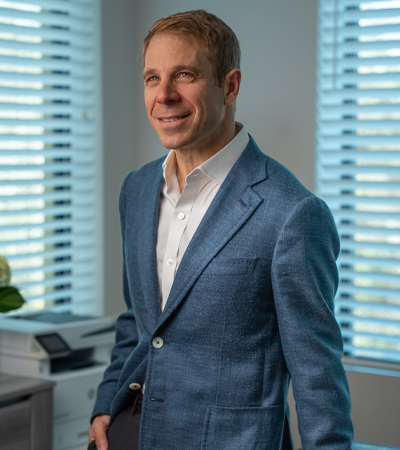
Jason Cooper, MD
Board-Certified Plastic Surgeon
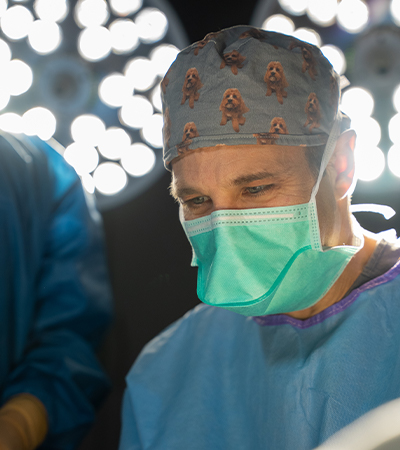
Trust your results to Dr. Jason Cooper, a board-certified plastic surgeon with nearly 20 years of experience and a top 1% facelift and neck lift practice in the U.S. Known for his natural aesthetic and meticulous approach, he delivers safe, personalized results using the latest advanced techniques.






Schedule a Consultation with Dr. Cooper
Plastic surgery and non-surgical rejuvenation work best when the plan is built around your anatomy, your goals, and the kind of change that makes sense for your life. Call (561) 406-6574 to schedule a consultation with Dr. Cooper or send us a message.